Yi Peng & Loy Krathong Festival
What Is Yi Peng? The Meaning Behind Chiang Mai's Sky Lantern Festival
By the GLCM team, Chiang Mai · Last updated: September 2026
What Is Yi Peng?
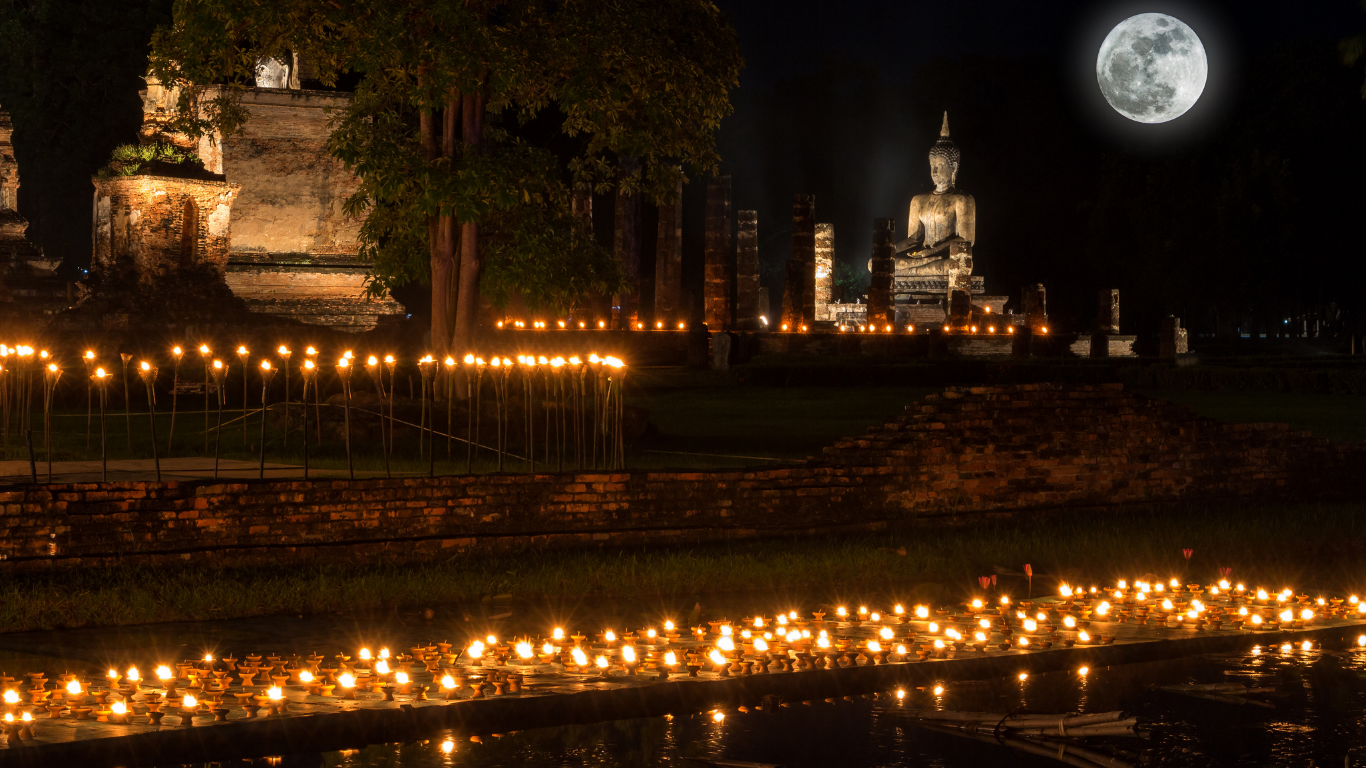
Yi Peng (ยี่เป็ง), also spelled Yee Peng, is the sky lantern festival of Northern Thailand. Held on the full moon of the second month of the old Lanna calendar (usually November), it is celebrated by releasing glowing khom loi lanterns to honour the Buddha and let go of misfortune. In Chiang Mai, it takes place on the same nights as Loy Krathong.
Also known as
Yee Peng, Chiang Mai Lantern Festival, Sky Lantern Festival
Celebrated alongside
Loy Krathong, on the same full-moon nights
Rooted in
The Lanna Kingdom, Northern Thailand
2026 dates
24–25 November 2026
What Does "Yi Peng" Mean?
The name comes from the Lanna (Northern Thai) language: "Yi" means two, and "Peng" means full moon day. Together, Yi Peng refers to the full moon day of the second month according to the old Lanna lunar calendar, which runs about two months ahead of the standard Thai lunar calendar used in the rest of the country.
Because of this calendar difference, the "second month full moon" of Lanna reckoning lines up with the twelfth month of the national Thai calendar, which is the same night as Loy Krathong. That is why the two festivals always fall on the same dates, even though they come from different naming traditions.
The History of Yi Peng
Yi Peng's origins trace back centuries to the Lanna Kingdom, the northern Thai kingdom centred on Chiang Mai before it became part of Siam. In Lanna belief, releasing a khom loi is an act of merit connected to the legend of Phra Kesa Kaew Chulamani, a sacred chedi believed to enshrine a relic of the Buddha in the Tavatimsa heaven. Sending a lantern skyward is a way of paying homage to this relic and to the Buddha himself.
Over time, the tradition grew to also represent letting go of hardship and misfortune from the past year and opening the way for good fortune, much as Loy Krathong on the ground represents washing away bad luck by releasing a krathong onto the water. Today, Yi Peng and Loy Krathong are inseparable in Chiang Mai, celebrated together as one of the most visually spectacular festivals in Southeast Asia.
Historically, the festival was closely tied to specific temple communities around Chiang Mai, with districts such as Sansai becoming particularly well known for their own large-scale lantern releases at local temples. Monks would lead merit-making ceremonies before the lanterns were lit, and entire villages would gather to release them together, turning the night sky above the rice fields into a moving river of light. That communal, ceremonial spirit is still the model that organised festivals aim to recreate today.
Yi Peng vs Loy Krathong — What's the Difference?
| Yi Peng | Loy Krathong | |
|---|---|---|
| What's released | Sky lantern (khom loi) — floats upward | Floating basket (krathong) — floats on water |
| Origin | Lanna Kingdom, Northern Thailand | Nationwide across Thailand |
| Meaning | Letting go of misfortune, honouring the Buddha | Paying respect to Phra Mae Khongkha, the Goddess of Water |
| Where it happens | The sky | Rivers, canals, and ponds |
| In Chiang Mai | Celebrated together, over the same two nights | Celebrated together, over the same two nights |
The Three Lights of Yi Peng
Lanna tradition actually recognises three distinct forms of light offered during the festival, each with its own purpose:
- Khom loi — the sky lantern, released into the air as an offering that rises toward the heavens.
- Krathong — the decorated basket floated on water, representing the Loy Krathong side of the celebration.
- Phang pratip — small lit lamps or candles placed around homes, temples, and along streets to illuminate the community during the festival nights.
How Is a Khom Loi Made?
A khom loi is deceptively simple. A thin, heat-resistant paper — traditionally rice paper — is stretched over a light bamboo or wire ring to form a tall, hollow cylinder closed at the top. At the open base sits a fuel cell, usually a wax-and-fibre wick. Once lit, the flame heats the trapped air inside the paper shell, and just like a miniature hot-air balloon, the lantern becomes buoyant enough to lift off and drift upward on the night breeze, glowing until the fuel burns out.
What Do the Lanterns Symbolise?
Releasing a khom loi during Yi Peng carries several layers of meaning:
- Letting go of misfortune, worries, and negativity from the past year
- Making a wish for happiness, health, and prosperity
- Paying homage to and worshipping the Buddha
- Marking a fresh start and a new beginning
Many visitors take a quiet moment before the release to write a wish or a short prayer on the lantern's paper shell, then watch it drift upward with hundreds of others until the sky itself seems to shimmer. It is this combination of a personal, reflective act and a shared, collective spectacle that makes Yi Peng feel different from an ordinary fireworks show or light display — it is a ritual as much as it is a view.
How Is Yi Peng Celebrated in Chiang Mai?
Traditionally, Yi Peng is a three-day festival that builds up to the full moon night. Across the three days, families and temples prepare offerings, hang colourful khom fai lanterns around homes and temple grounds, and light small clay oil lamps called phang pratip along walls and doorways. Monks lead merit-making ceremonies, and the celebration peaks on the full moon night with parades, fireworks and the floating of krathongs on the Ping River.
Where to See Yi Peng for Free
Many of the city's celebrations are free to join. The main gathering points are:
- Tha Phae Gate — lantern-decorated streets and festival processions
- Three Kings Monument — ceremonies and lantern displays in the heart of the Old City
- Old City moat — candles and lanterns lining the walls and water
- Ping River — riverside krathong floating and fireworks
The one thing you cannot do in the city is release your own sky lantern — that now happens only at organised, permitted events outside Chiang Mai. See where you can legally release sky lanterns.
When Is Yi Peng 2026?
Yi Peng 2026 falls on 24–25 November 2026, the full moon of the twelfth month of the Thai lunar calendar, celebrated together with Loy Krathong.
Because the date follows the lunar calendar, it shifts from year to year on the Western calendar:
| Year | Date |
|---|---|
| 2024 | 15 November 2024 |
| 2025 | 5 November 2025 |
| 2026 | 24–25 November 2026 |
| 2027 | 13–14 November 2027 (est.) |
| 2028 | 1–2 November 2028 (est.) |
Dates follow the full moon of the twelfth month of the Thai lunar calendar and are confirmed closer to each year; 2027 and 2028 are estimates.
How to Experience Yi Peng Today
Releasing sky lanterns inside Chiang Mai's city limits is no longer permitted. The volume of lanterns once released citywide became a safety hazard for air traffic in and out of Chiang Mai International Airport, and loose lanterns posed a fire risk to the old city's wooden temples and buildings. As a result, unauthorised releases within the city now carry heavy penalties.
To take part legally and safely today, visitors join an organised festival held in a permitted, open area outside the city, where mass lantern releases are coordinated with local authorities and aviation safety in mind. These events also bring back the cultural elements that make Yi Peng special: Lanna performances, Northern Thai food, and a real sense of community around the shared release.
In practice, this means a fixed program for the night: guests arrive while it is still light, enjoy dinner and traditional shows, and are guided through a short safety briefing before everyone lights and releases their lanterns together at a set time. Releasing as one large group, rather than individually and at will, is precisely what keeps the release both legal and safe — and it is also what produces the iconic wide-sky photographs the festival is famous for.
Common Questions
Yi Peng FAQ
What does "Yi Peng" mean?
"Yi Peng" comes from the Lanna language: "Yi" means two and "Peng" means full moon day, referring to the full moon of the second month in the old Lanna lunar calendar — which falls on the same night as Loy Krathong in the national Thai calendar.
What is the difference between Yi Peng and Loy Krathong?
Yi Peng involves releasing sky lanterns (khom loi) into the air and originates from the Lanna region of Northern Thailand, while Loy Krathong involves floating decorated baskets (krathong) on water and is celebrated nationwide. In Chiang Mai, both are celebrated together on the same nights.
How long does Yi Peng last?
Yi Peng is traditionally celebrated over three days, ending on the full moon night of the second Lanna month. In 2026 the main nights are 24–25 November.
Is Yi Peng free to attend?
Yes. The city's parades, decorations and riverside krathong floating in Chiang Mai are free. A ticket is only needed for organised events that include a legal mass sky lantern release, such as GLCM in Mae Wang.
What is a khom loi?
A khom loi is a sky lantern made from thin paper stretched over a bamboo frame, with a fuel cell at its base. When lit, the rising hot air carries the lantern upward, symbolising the release of misfortune and a wish for good fortune.
Where did the Yi Peng festival originate?
Yi Peng originated in the Lanna Kingdom, the historic northern Thai kingdom centred on Chiang Mai, and remains most strongly associated with Northern Thai culture and Buddhist tradition.
Can I release a khom loi in Chiang Mai city today?
No. Releasing sky lanterns within Chiang Mai city is no longer allowed due to aviation and fire safety risks, and it can carry heavy penalties. Lanterns can still be released legally at organised festivals held in permitted areas outside the city.
When is Yi Peng celebrated in 2026?
Yi Peng 2026 falls on 24–25 November 2026, celebrated together with Loy Krathong on the full moon of the twelfth month of the Thai lunar calendar.
Experience Yi Peng in Person — GLCM 2026, 24–25 Nov
Join thousands of lanterns rising over Chiang Mai at the Golden Light CM Lantern Festival, held legally and safely in Mae Wang District.